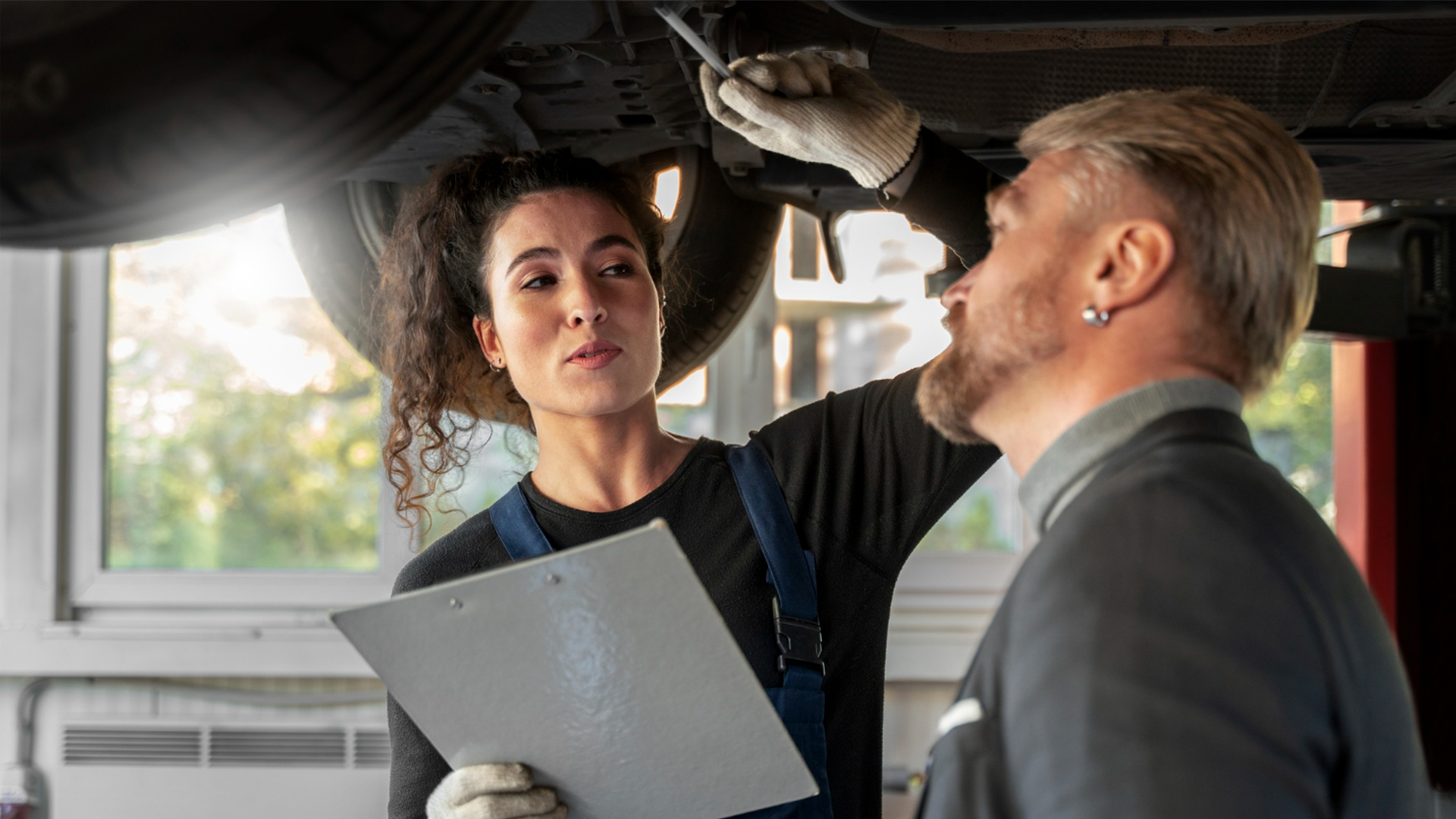
Purchasing a second-hand car entails comprehensive examination of the automobile in order to avoid future expenses related to mechanical breakdowns. Although an immaculate car surface looks attractive, its internal components may be worn out unnoticed at once glance. Arranging professional car purchase inspection will help buyers to detect defects before settling on the price.
Application of specialized diagnostic equipment enables certified technicians to determine accurately the state of the car frame, engine and electronic control modules. Expert inspectors find concealed accident repairs, fluid contamination and trouble codes easily. Cooperation with Ridecheckr ensures a clear vehicle evaluation, providing buyers with full financial security and peace of mind before making a deal.
Why Is a Car Purchase Inspection Important Before Buying a Used Vehicle?
Investment in a used car without professional technical assessment puts buyers in a position of risk of incurring high costs for future mechanical repairs. Most of the cosmetic corrections hide the facts about serious mechanical issues which only a mechanic can recognize. Checking for defects which may be concealed in used vehicles prior to making a final decision helps a lot when negotiating the price. An accurate diagnostic report is important for the buyer because it ensures the true condition of the car and prevents possible accidents in the future.
What Hidden Problems Can a Used Car Have?
Sellers tend to disable warning lights on the dashboards of their cars in order to conceal engine or transmission problems coded into the computer. pre-purchase vehicle inspection will help identify various mechanical problems that might be hidden by the seller like worn-out timing belts, blown head gaskets and slipping clutches. Early detection of internal component wear will prevent buyers from high-priced services of service centers.
Why Do Some Vehicle Problems Go Unnoticed During a Test Drive?
It is hardly possible to find deep-seated mechanical and electronic problems through a short test drive because some of them appear only in certain driving conditions. Usually, the sellers warm up engines in advance in order to prevent rattling, valve noise and the appearance of exhaust smoke during cold starts. Moreover, the transmission slips or torque converter shudder becomes obvious only when driving on highways and varying speeds. Independent technical review discovers hidden problems that casual road tests never uncover.
What Should You Check Before Buying a Used Car?
Physical examination of the frame of the vehicle and its engine bay will help buyers identify accident repairs done in the past and lack of maintenance. Body panel gaps, painting and welding points will help identify any damages that may have been concealed by the seller. By knowing what to look out for before buying a secondhand car, buyers will be able to identify rust, fluid leaks and worn drive belts.
How to Inspect a Car's Exterior for Hidden Damage
Uneven panel gaps and paint color differences are some of the telltale signs of past body shop repairs after an accident. Frame rust or application of undercoating spray paint normally conceals severe damage to the main unibody rails. Presence of body fillers and misalignment of door seals normally indicates past frame damage.
Checking Paint Differences, Panel Gaps, and Previous Repairs
Rubber seals and body seams will indicate paint overspray in the case where there have been past repairs of collision damage to the vehicle. The magnetic thickness gauge is normally used to detect the presence of thick body filler layers under the new paint. Welding points that are irregular on the unibody rails normally indicate past frame reconstruction and severe accident damage.
What to Look for Under the Hood Before Buying
Drawing the oil dipstick will reveal the presence of dark sludge, milk-like stains or metal fragments that normally indicate severe engine wear. Inspection of the cooling system and serpentine drive belts will help reveal hidden damage to the cooling systems and dry rot and improper belt tension. Oil stains on the valve cover gaskets normally indicate the fluid leaks.
Key components to check under the hood include:
● Check the oil dipstick for dark sludge, milky residue, or metallic particles.
● Inspect rubber serpentine belts and cooling hoses for cracking, dry rot, or slack.
● Verify that coolant, brake fluid, and power steering fluid levels are clean and filled.
● Look for active oil leaks or wet residue around valve cover gasket seams.
● Examine battery terminals for white or green corrosion buildup.
How Can You Detect Hidden Engine Problems Before Buying a Car?
Detection of subtle mechanical problems implies testing the response of powertrain components during cold start and acceleration. Noticing signs of engine problems in used cars such as rough idle and blue tailpipe smoke will help buyers to detect severe cylinder wear. Order a mechanical breakdown analysis through Ridecheckr in order to discover subtle combustion misfires accurately.
What Are the Warning Signs of a Failing Engine?
Engine misfires will lead to vibration in the cabin, hesitation while accelerating and sputtering sound of the exhaust. Exhaust gases which are very blue or black in color normally indicate oil consumption and serious fuel injector malfunctions. Early recognition of such symptoms will help the buyer avoid buying heavily damaged engines and worn-out cylinders from sellers who do not have ethics.
How Do You Identify Transmission Problems During a Vehicle Inspection?
Transmission is one of the most expensive components of the car; therefore, its thorough testing is crucial before buying it. Testing of automatic and manual transmissions at different speeds will help buyers to detect hidden gear slipping, fluid degradation and delayed gear engagement problems. Early detection of gearbox defects will help buyers to get discounts on repairs or avoid purchasing high-risk vehicles.
What Are the Early Signs of Automatic Transmission Failure?
Automatic transmission breakdowns are characterized by delayed gear shifts, clunks and sudden RPM rises during a steady speed cruise. Contaminated transmission fluid, burnt odor and metallic particles in the transmission fluid normally indicate the gear failure in the transmission. Early detection of such symptoms will help the buyer avoid inheriting malfunctioning gearboxes which require major repairs.
How Can You Tell if a Used Car Has Hidden Accident or Flood Damage?
Past water submersion or severe frame rust will require the buyer to examine hidden areas of the cabin and undercarriage components. Water damages the wiring harnesses, rusts seat rails and causes mildew smell within the passenger carpets. Detection of these concealed accident damages will protect the buyer from buying structurally compromised vehicles that are unable to meet safety standards.
How to Spot Flood Damage in a Used Vehicle
Inspection of carpet corners under the floor mats and in the trunk tire spare well can help the buyers find traces of moisture and mud accumulations. A musty odor normally indicates that the vehicle was flooded while green rust on the wiring connector indicates electrical problems which were hidden from the buyer.
What Electrical Problems Should You Look for Before Buying a Used Car?
Modern cars use computer networks which require special diagnostic tools to make an adequate test of their reliability. The normal visual inspection does not enable buyers to check real-time sensor operation, cylinder compression and transmission solenoid fault codes. Arranging mobile vehicle inspection services will enable buyers to get on-site computer diagnostics.
Can an OBD-II Scanner Detect Problems That Are Not Visible?
Digital OBD-II diagnostic tools allow scanning of internal control modules for pending misfire, transmission solenoid and ABS sensor codes. Checking emission readiness monitors shows whether recent electronic fault codes were cleared right before the arrival of buyers. The scanner data reveals the true state of the vehicle system, protecting buyers from purchasing cars with hidden electronic problems.
The Takeaway!
Scheduling a thorough car purchase inspection is the best way to discover hidden mechanical problems before purchasing. Comprehensive checks, digital scans and structural inspections protect buyers from predatory transactions and unexpected repairs. Cooperation with Ridecheckr provides buyers with a clear and audit ready diagnostic assessment.
Frequently Asked Question
How Do You Tell if There Are Any Mechanical Issues with Your Used Car?
Professional diagnostic scans, fluid checks, and comprehensive inspections of the frame reveal any existing mechanical issues, previous accidents, and cleared fault codes rapidly.
Will the Mechanic Find Out All Issues before I Buy a Car?
Although a mechanic detects almost all existing mechanical and structural issues or electronic faults, there is no way to detect any future problems.
Is It Possible for Me to Have My Used Car Inspected Before Purchase?
Yes. Most reputable dealerships will give you permission to have your car inspected by an independent mechanic.
What If My Car Is Not Approved during Pre-Purchase Inspection?
It means that you can negotiate for cheaper price terms using mechanical defects or refuse the purchase.
Is It Wise to Buy a Used Car without Any Inspection?
No. Without inspections, buyers take risks of buying cars with damaged frames or faulty engines.