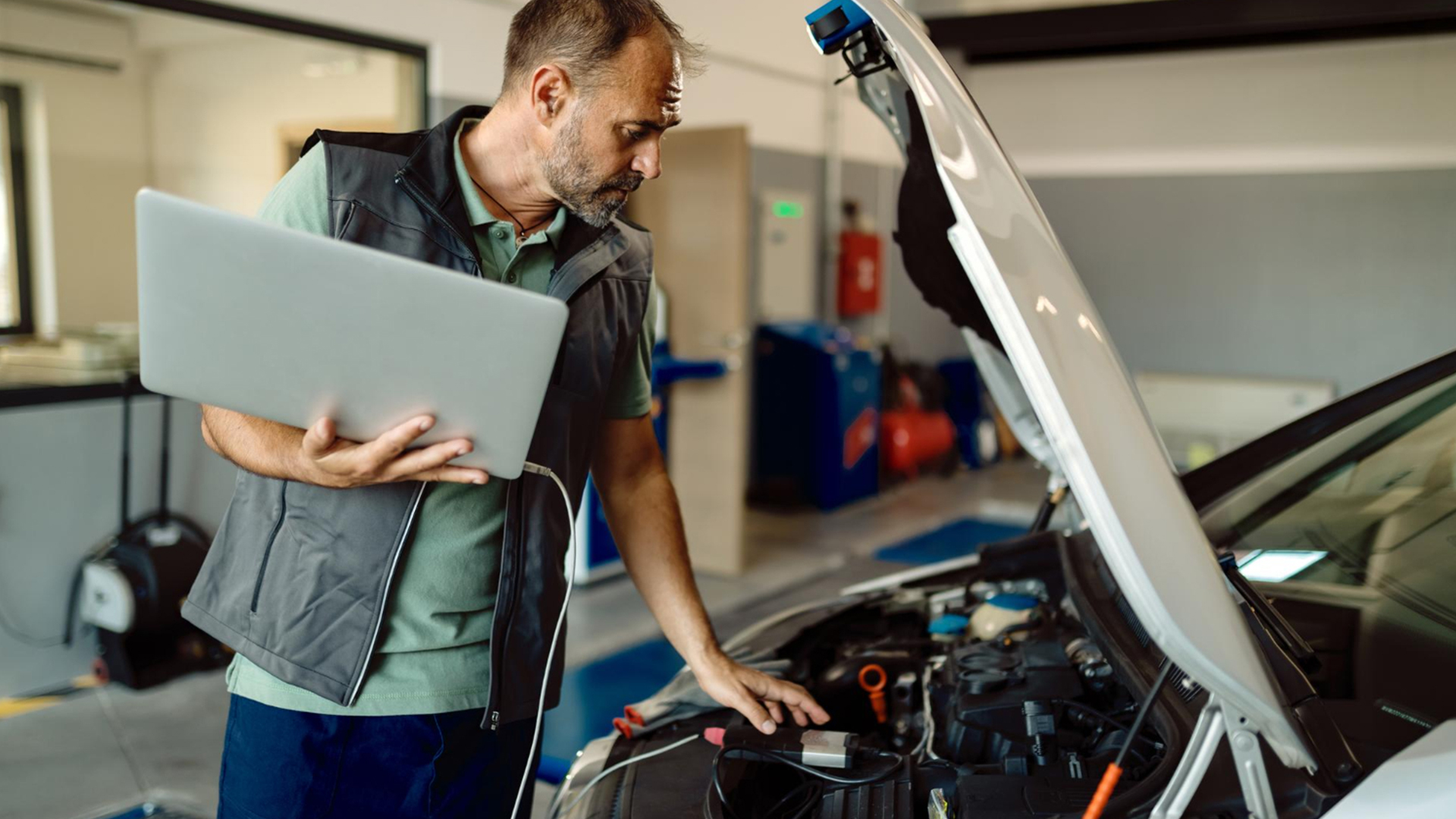
Modern vehicles have a lot of complex wiring systems and computers to ensure safe travel of cars on the road every day. When components start breaking down, there always come some warning signs – dashboard flickering, slow engine cranking, or malfunctioning car cabin electronics. Early detection of car electrical problems will help you avoid a surprise breakdown and expensive emergency roadside repairs.
Neglecting small electrical issues can lead to fast destruction of sensitive control modules, starters, or chargers in the future. Scheduling pre-purchase vehicle inspection guarantees to check all the electrical connections to prevent malfunction of these components. Using the Ridecheckr gives buyers an opportunity to consult a certified mechanic and get detailed vehicle diagnostics.
What Is Car Electrical Problems and Why Should You Never Ignore Them?
In modern cars electrical faults occur because of voltage supply failure, incorrect grounding of the circuits, or miscommunication of components. Ignoring the dim lights or slow cranking leads to engine stall, dead battery and even to short circuits. Proper diagnostics protects the sensitive electronics and prevents sudden breakdown of the car.
What Are the 10 Warning Signs of Electrical Problems in Cars?
Awareness of the symptoms can help to deal with minor electrical defects before the total car breakdown. These are persistent battery drain, strange headlight lighting, slow engagement of the starter and light indicators on the dashboard. Awareness of the symptoms will help to preserve the electronics of the car from voltage spikes and starting failure.
1. Why Does Your Car Battery Keep Dying?
Persistent battery drain shows internal cell degeneration, poor performance of the charger or parasitic circuits that take away power. Inspection of the car helps to identify the failing voltage regulator and parasitic circuits to prevent starting failure in the future.
2. Why Are Your Headlights and Dashboard Lights Flickering?
Flickering lights of the car are a sign of unstable voltage output from the alternator or faulty grounding of the wires. Unstable voltage delivery damages LEDs and digital devices inside the car. Prompt diagnostics allows protecting sensitive electronics of the car from power surges.
3. Why Does Your Car Struggle to Start or Make Clicking Noises?
The fast-clicking noise during the ignition indicates poor voltage supply from the battery terminals to the starter motor. Failing battery, corroded terminal posts or starter motor relays do not allow proper engine cranking. Diagnostics will prevent complete starting failure of the vehicle.
4. What Does an Illuminated Battery or Charging System Warning Light Mean?
The light indicator of the battery shows insufficient production of the electrical voltage by the charger. Further driving with illuminated light will lead to the battery drain and engine shutdown. Proper diagnostics helps to determine if the alternator needs to be replaced or the wiring is to be repaired.
5. Why Do Your Power Windows, Radio, or Electronic Accessories Stop Working?
The simultaneous failure of multiple cabin accessories is usually caused by blown fuses, faulty relays, or faulty wiring harness. Relays regulate the power supply to the systems with heavy load, while fuses blow up when there is an overload of the circuits. Diagnostics of the fuse box and wiring harness during a pre-purchase vehicle inspection will fix this problem quickly and restore function of necessary systems.
6. What Causes a Burning Electrical Smell Inside a Car?
The smell of burning plastic occurs due to overheating of wire insulation, broken electrical components or short circuits under the dashboards. Overheating occurs due to current flow through the too thin wires and represents a serious fire hazard. It is necessary to detect the short circuits and replace wires before structural damage.
7. Why Does Your Car Engine Stall or Shut Off Unexpectedly?
The sudden engine stall while driving is caused by irregular supply of power to the engine components, like fuel injectors or ignition coils. Failed alternators or sensors that fail to deliver the voltage readings to the computer lead to engine stall. Diagnostics help to prevent sudden engine stall and dangerous situations on highways.
8. Why Are Your Dashboard Gauges and Electronic Displays Malfunctioning?
Erratic behavior of the instrument cluster needles and frozen digital screen indicates problems with the communication of the controller area network of the car (CAN bus). Degraded voltage regulator, faulty grounding points, or failure of control modules cause sensor reading malfunction. Diagnostics allows making sure that such critical information as speed and engine temperature is accurately displayed.
9. Why Do Your Car's Fuses Keep Blowing Repeatedly?
The repeatedly blown fuses are a sign of short circuits or overloading of certain circuits of the car. The replacement of the blown fuse without repairing the root of the problem will immediately result in another blowing and the burning of the whole wiring harness. Circuit tracing will help detect such problems as wire chafing, shorted components, and illegal splices.
10. Why Do Electrical Features Work Intermittently or Stop Without Warning?
Intermittent operation of the electrical systems usually results from loose connections of the wires, internal wire degradation, or corrosion buildup. The vibrations during driving make temporary contact and result in the intermittent turning on and off of the systems. Cleaning of the corroded grounding and tightening of the loose pin connections will solve this problem permanently.
How Can You Diagnose Electrical Problems in Your Car?
Diagnosis of automotive electrical problems requires special diagnostic equipment, diagnostic code scanner, and systematic tracing of the circuit. Mechanics measure the resting voltage, test the performance of the charging system, and check ground continuity to detect hidden electrical problems. Systematic diagnostics helps to pinpoint the root cause of the problem and to eliminate guessing of the problem origin. This procedure saves you time and money during repair of the vehicle.
Can an OBD-II Scanner Detect Car Electrical Faults?
Advanced diagnostic scanners can read codes of troubles produced by computer modules installed in the car, which monitor engine, transmission, and body electronics. Scheduling the mechanical breakdown analysis of the car through Ridecheckr will give you a detailed code report about circuit faults, sensor misreading, and voltage irregularities. Using the diagnostic equipment ensures precise troubleshooting without dismantling the working components.
What Electrical Problems Should You Check Before Buying a Used Car?
The inspection of the car electronics entails the testing of the power windows, infotainment system, air conditioning control, and indicators located on the dashboard. The previous water damage, deleted diagnostic codes, and concealed wiring damage mean that there were previously existing electrical issues which need to be taken into account. Full testing is crucial for protecting yourself from possible future expenses connected with the repairs.
How Can You Identify Hidden Electrical Issues During a Used Car Inspection?
To detect hidden electrical issues, you should scan the control modules and see whether there are any pending codes. You can book a mobile vehicle inspection services and have on-the-spot testing done; at the same time, the digital diagnostic report will be sent to your smartphone. Such inspection will guarantee maximum safety and reliability of second-hand cars.
Final Verdict!
Being aware of the symptoms of electrical issues will help you to prevent any unexpected starting failure and costly repairs of the components. With meticulous diagnostics, professional inspection, and skilled mechanics, you will ensure your safety every time. By using the Ridecheckr, you will get inspection reports ready for audit and peace of mind.
Frequently Asked Question
What Are the First Signs of Electrical Problems in a Car?
Dimming headlights, slow engine cranking, flickering dashboard displays, and recurring battery drain are classic early indicators of underlying electrical issues.
How Do I Know if My Car Has a Bad Alternator or Battery?
If your car jump-starts and keeps running, the battery is weak; if it stalls shortly after starting, the alternator is failing.
Can a Bad Fuse Cause Multiple Electrical Problems?
Yes. A single blown main fuse or multi-relay can interrupt power supply to several connected accessories, radio units, and interior displays simultaneously.
Will an OBD-II Scanner Detect Electrical Problems?
Yes. OBD-II scanners read stored diagnostic trouble codes, highlighting circuit faults, sensor failures, and irregular voltage readings across major vehicle systems.
How Can I Find Hidden Electrical Problems Before Buying a Used Car?
Schedule an independent pre-purchase inspection involving computerized diagnostic scans, battery testing, and physical wiring harness evaluations before completing any used car purchase.